Can High Pressure Water Damage Your Outdoor Paving Stones?
Outdoor paving stones provide exceptional durability and visual appeal to outdoor living areas, driveways, and poolside patios. However, when it comes to routine maintenance, many property owners wonder whether high-pressure washing can cause irreversible damage. The short answer is yes: excessive pressure or incorrect cleaning techniques can erode paver surfaces, degrade protective sealants, and destabilise the foundational jointing sand.
How High Pressure Causes Damage to Paving Stones
Paving materials react differently depending on their composition, porosity, and age. Modern domestic pressure washers can exceed 3,000 to 4,000 PSI, which is often far too aggressive for residential masonry surfaces.
When subjected to concentrated high-pressure https://judahviek151.focalledger.com/posts/pressure-cleaning-solutions-for-salt-crusted-balconies streams, pavers commonly suffer from several specific structural and cosmetic issues:
- Surface Etching and Pitting: Softer stones such as natural limestone, sandstone, and aged concrete pavers can easily lose their top protective layer, leaving behind permanent gouges and rough aggregate patches.
- Washout of Jointing Sand: Direct high-pressure spray blasts away the polymer sand or loose bedding sand between pavers, causing stones to shift, wobble, and invite weed ingress.
- Premature Sealant Stripping: Intense pressure strips away topical sealers unevenly, leaving patchy, discoloured sections that are vulnerable to oil and moisture stains.
- Efflorescence Acceleration: Forcing water deep into the pores of concrete pavers can activate underlying mineral salts, resulting in persistent white chalky deposits once dried.
Coastal Factors for Paving in Glenelg
For properties situated in coastal suburbs like Glenelg, exterior paving faces continuous exposure to marine air, salt spray, and wind-borne sand. Salt crystals settle into microscopic fissures within paving stones, naturally weakening their surface tension over time. When uncalibrated high-pressure washing is applied to salt-weakened pavers along the Glenelg foreshore, surface flaking—known as spalling—occurs much faster than it would in non-coastal environments.
Furthermore, coastal humidity and sandy soils encourage rapid growth of algae, moss, and lichen, tempting homeowners to reach for maximum pressure settings to clear away stubborn grime.
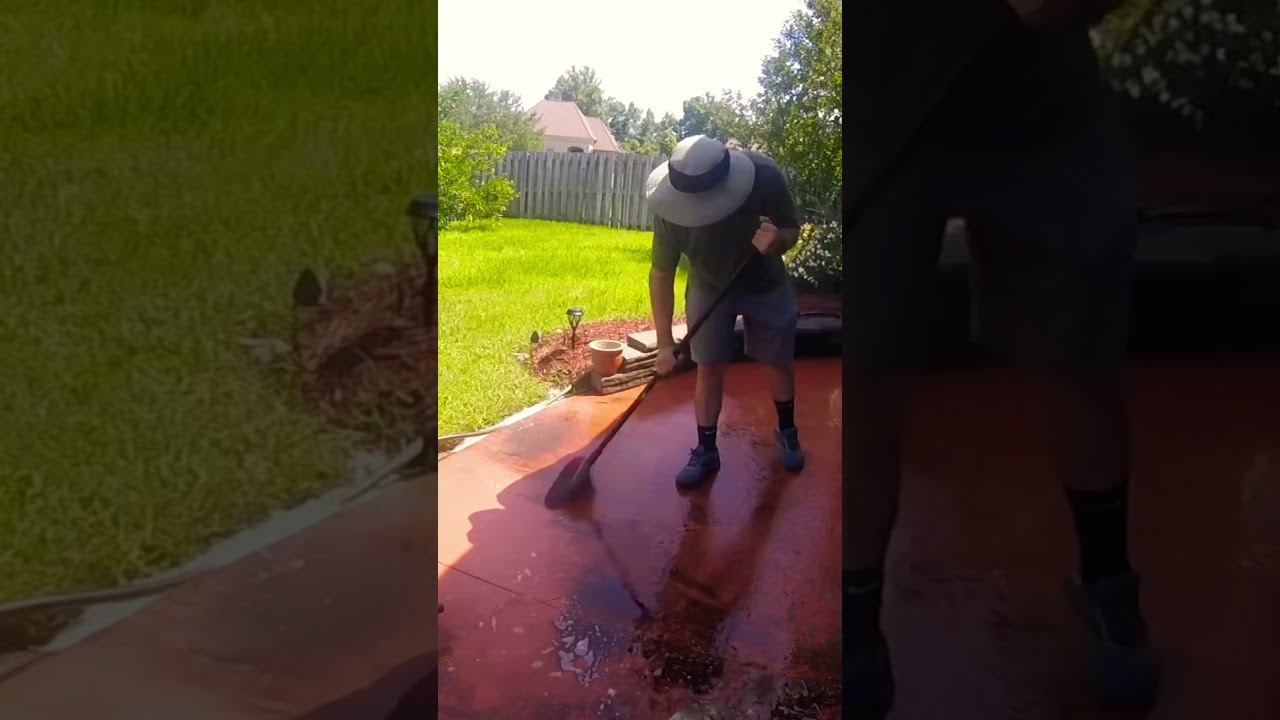
Best Practices for Cleaning Outdoor Pavers Safely
To preserve the longevity and aesthetics of your paved surfaces, professional exterior cleaners recommend adopting lower-pressure techniques combined with appropriate cleaning chemistry.
- Utilise Soft Washing Techniques: Instead of relying on raw pressure, apply specialised biodegradable detergent solutions to break down organic growth, algae, and coastal salt deposits at the root.
- Employ Rotary Surface Cleaners: Flat-surface rotary attachments disperse water through two rotating nozzles, ensuring even pressure distribution and preventing linear wand marks or gouges.
- Calibrate Working Pressure: Keep water pressure below 1,500 PSI for natural stone and aged pavers to clean effectively without compromising stone integrity.
- Re-sand and Reseal: Always inspect jointing sand after cleaning. Top up with fresh polymeric or dry silica sand, and apply an impregnating penetrating sealer to shield pavers against the elements.
By treating outdoor paving stones with appropriate pressure levels and protective treatments, Glenelg homeowners can keep outdoor entertainment spaces looking pristine without risking long-term structural degradation.
Glenelg Pressure Cleaning
Unit 3/2-4 Byre Ave, Somerton Park SA 5044
(08) 7282 0893